
AusCham Welcomes State Visit to Australia by General Secretary and State President Tô Lâm
AusCham Vietnam welcomes the successful State Visit to Australia by H.E. Tô Lâm, General Secretary of the Communist Party of Vietnam and State President of the Socialist Republic of Vietnam, from 9–12 August 2026.
The visit marked an important milestone in Australia–Vietnam relations, reinforcing the political trust and shared ambition behind the Comprehensive Strategic Partnership established in 2024 — and creating new momentum for trade, investment, innovation and people-to-people links.
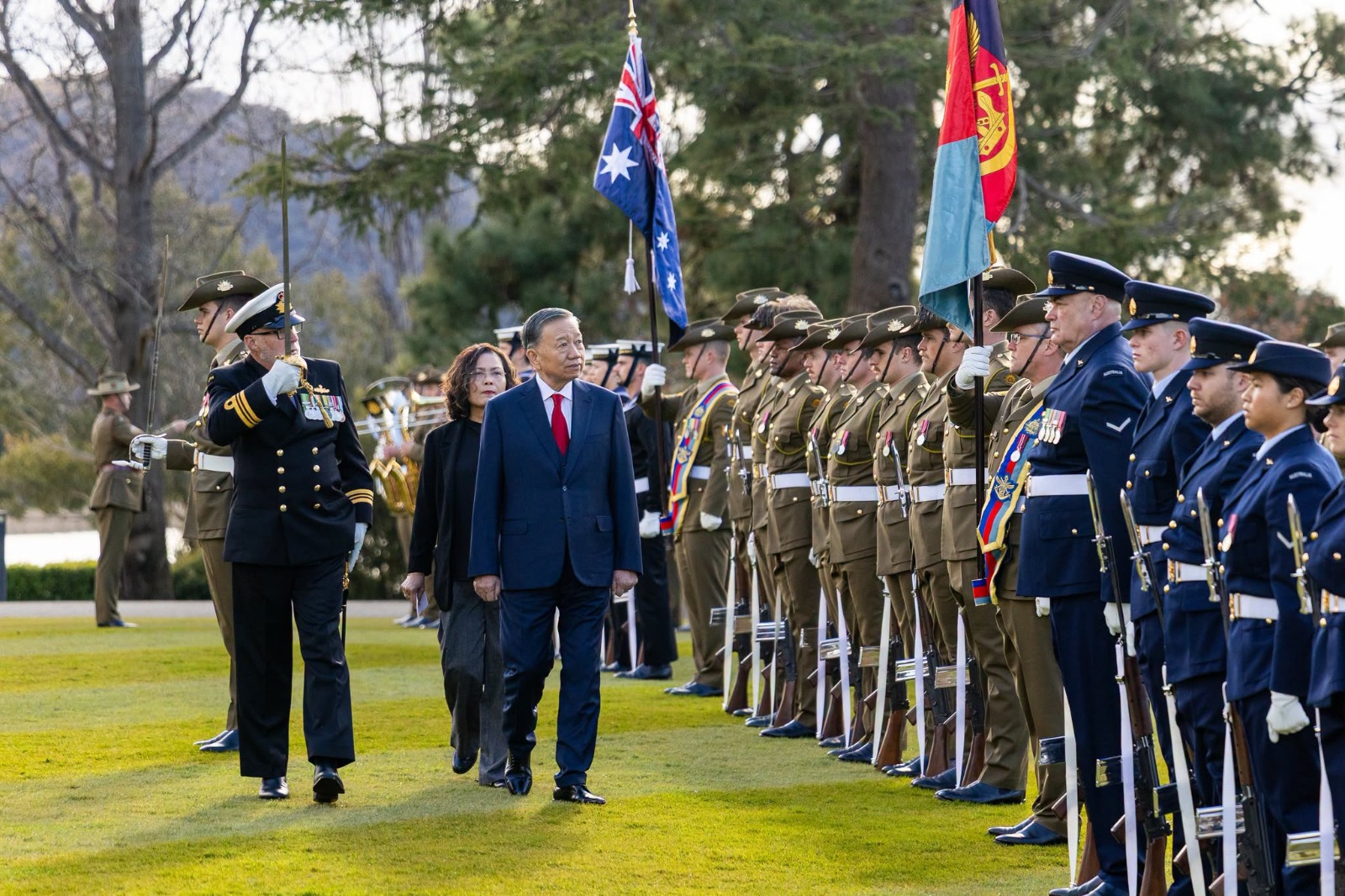
New Momentum for Bilateral Cooperation
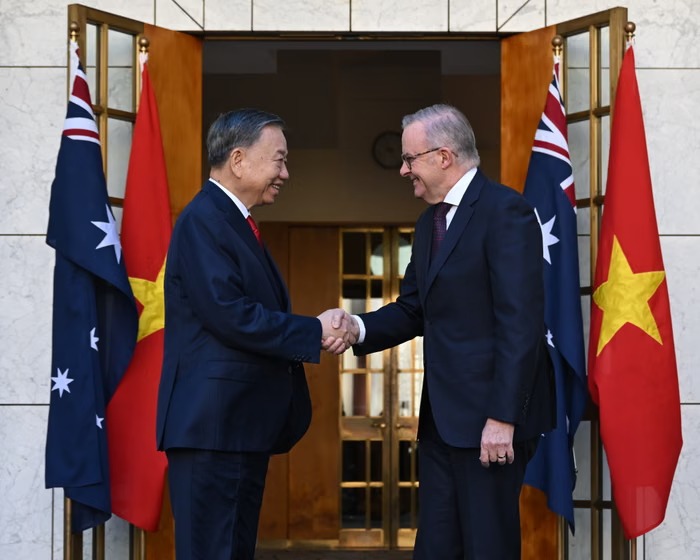
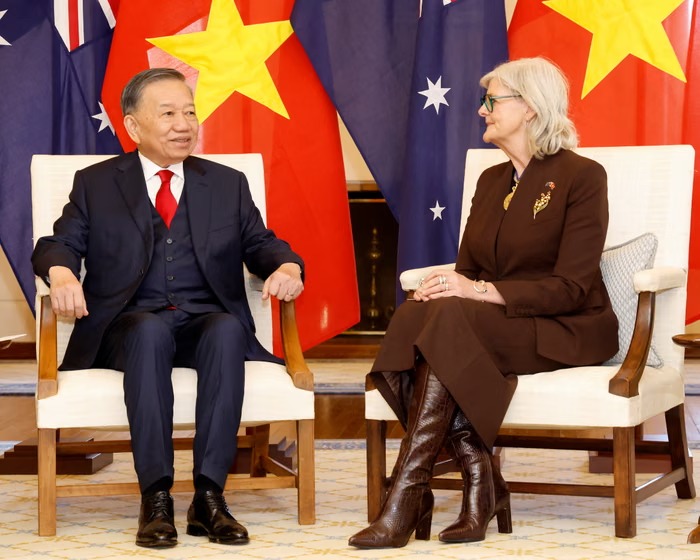
During talks in Canberra, General Secretary and State President Tô Lâm and Prime Minister Anthony Albanese agreed to deepen cooperation across a broad range of shared priorities.
The visit resulted in three Joint Statements covering the Comprehensive Strategic Partnership, economic resilience, and science, technology and innovation, alongside seven further cooperation documents.
 |  |
For businesses, several outcomes stand out.
Australia and Vietnam agreed to strengthen trade, investment and supply-chain resilience, with opportunities across critical minerals, semiconductors, clean energy and agriculture. The new Digital Economy MoU will support cross-border trade, e-commerce and digital services.
Science, technology and skills also emerged as key growth areas, including AI, cybersecurity, green technology and research commercialisation. New initiatives in vocational education and RMIT University’s new Hanoi campus will further strengthen education and workforce links.
Connectivity will also expand, with new direct Vietjet services between Ho Chi Minh City and Western Sydney from January 2027, while both countries committed to deeper educational, cultural and professional exchanges.
Together, these initiatives provide a stronger framework for translating the Comprehensive Strategic Partnership into practical economic opportunities.
AusCham’s Engagement
AusCham was pleased to contribute to the business engagement surrounding the State Visit.
AusCham Board Director Mr Richard Nguyen participated in the Vietnam–Australia Tech Connect Forum at the University of Technology Sydney, which brought together government, business, universities, research institutions and the innovation community to explore opportunities in technology, investment, education and skills.
AusCham leaders also contributed to the public discussion on the future of bilateral economic ties.
AusCham President Mr Sam Conroy, speaking with Vietnam Economic Times, highlighted the significant potential for greater two-way investment. While bilateral trade in goods and services reached A$30 billion in 2025, investment remains modest relative to the scale and potential of both economies.
AusCham Vice President Ms Natalie Fairlie spoke with VTV4 about the potential for an Australia–Vietnam innovation corridor connecting founders, universities, investors and businesses across both markets. She emphasised the need for practical support to help businesses navigate regulations, identify trusted partners and reach customers.
AusCham Executive Director Mr Edwin Law also spoke with VTV4, identifying economic resilience, science and technology, and education and skills as three key drivers of the next phase of bilateral cooperation. He emphasised that the real measure of the new agreements will be their implementation, whether businesses can find partners, enter markets with greater confidence and turn high-level commitments into viable commercial opportunities.
AusCham Board Director Mr David Whitehead, also speaking with VTV4, highlighted the importance of the State Visit in strengthening business confidence and deepening bilateral cooperation.
From Commitments to Opportunities
The State Visit has created a stronger platform for the next phase of Australia–Vietnam economic cooperation.
Australia’s strengths in education, energy, agriculture, technology, infrastructure and professional services are highly complementary to Vietnam’s dynamic workforce, manufacturing capabilities, growing market and regional supply-chain connections.
The next step is turning that complementarity into more two-way investment, joint ventures, research partnerships, technology transfer and skilled employment.
Strong people-to-people links — including Australia’s Vietnamese community and the extensive network of Vietnamese alumni of Australian institutions — will remain an important part of that opportunity, providing trusted relationships, commercial experience and cultural understanding across both markets.
AusCham will continue working with governments, members and partners to help turn the momentum generated by the State Visit into practical opportunities and mutually beneficial outcomes for Australian and Vietnamese businesses.